

Everything you need to know about vitamin B12
and what deficiency looks like.

Last week I found out that I have a serious B12 deficiency. It surprised me initially but once my GP rattled off the symptoms, I couldn’t believe I didn’t pick it up within myself. But now that I’m ~10 days post-B12 top-up, I realise why I couldn’t pick it up myself. One of the keys symptoms of B12 deficiency is memory loss and brain fog (long-time followers will know I hate that term because it’s a vague cover-all that many a wellness guru like to bandy about, but it really does mean something in this context).
With that said, my brain really did feel so foggy. I couldn’t find my words, let alone assess myself for why I couldn’t find them (my poor students these past few weeks with me umming and ahhhing in lectures trying to get my thoughts out), so it’s no wonder I needed someone else to see it before I realised it myself, despite knowing better.
Key deficiency symptoms
These can intensify over time, the longer the deficiency occurs.
pale skin
confusion and memory problems
fatigue
headaches
mood changes
difficulty concentrating
I generally eat in a plant-forward way, with dairy, namely cheese and yoghurt, being my main sources of animal-derived food products. The reason I mention this is because vitamin B12 is the only vitamin that is almost exclusively found in animal products. The exception is mushrooms, but 4 button mushrooms only provide 5% of daily requirements so it’s minimal, and there is some discussion about fermented products like sauerkraut and tempeh being plant-based food sources, but looking at the literature, it shows us that B12 is only present in trace amounts and in a bio-unavailable way, meaning our bodies can’t absorb it.
So that leaves us with animal products like meat, poultry, some seafood, eggs and dairy as the key sources.
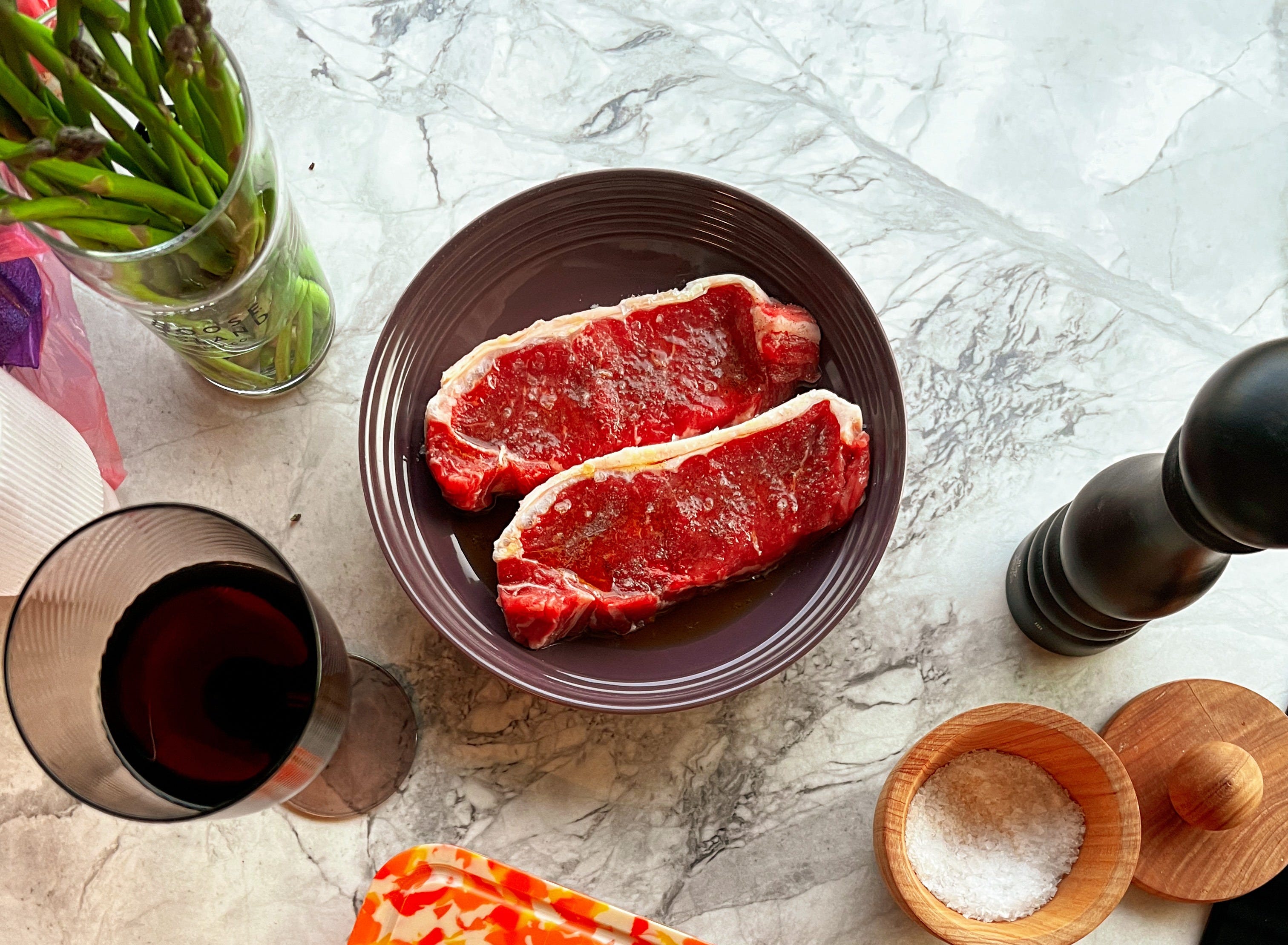
A woman of my age needs ~2.4ug (micrograms) a day but I know you might not have the same requirements as me so I’ve included the RDIs for Australians below so you can review your needs. Once you know your needs, you need to plan how to get it. To make this as quick and painless as possible, I’ve analysed 5 of the most common animal products consumed in Australia so you can review them.
Paid subscribers, if there’s something not on the list, let me know and I’ll analyse your preferred ingredients for you.
Daily intake recommendations for Australians
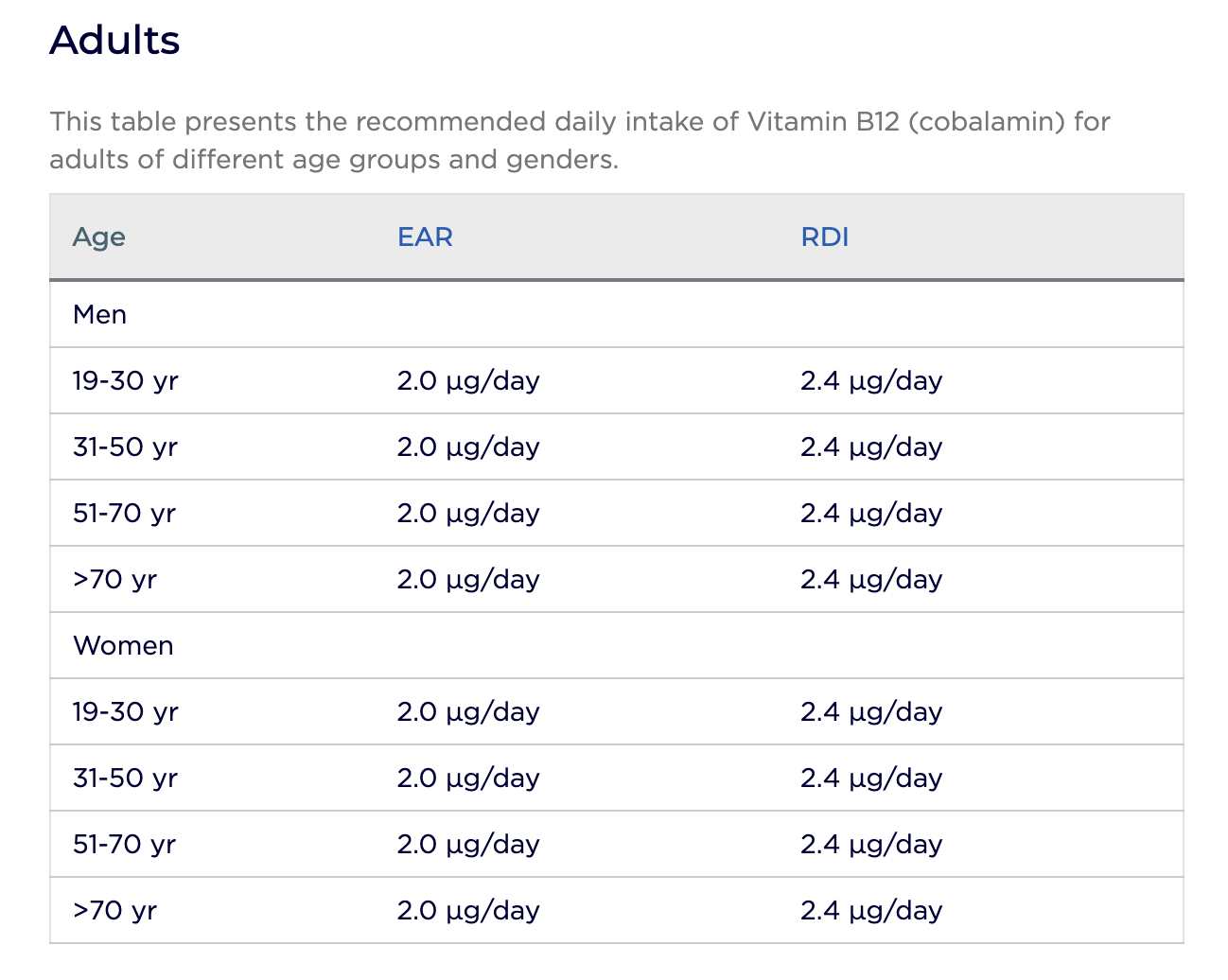
How much B12 is in that?
1 egg (50g) = 0.7ug of B12
1 chicken thigh, no skin (150g) = 1.02ug of B12
Basa fish (100g) = 2.0ug of B12
Sirloin steak (100g) = 1.27ug of B12
Milk (cow) (125mL/0.5 cup) = 0.77ug of B12
Supplements
You can take oral supplements which are easily found at supermarkets and chemists. I currently take a high-strength one, 1000ug per tablet, but you can choose less potent varieties. Good news for vegetarians and vegans is that there are lots of vegan B12 supplement options available too.
Some people have issues with B12 absorption, and if you find yourself with a deficiency and blood tests aren’t showing an increase in your B12 levels, you can chat to your GP about B12 injections which aren’t absorbed by the body in the same way.
Absorption
B12 is absorbed at varying rates from different foods ranging from 11% from liver, 24-40% from eggs and trout, to more than 60% from mutton and chicken. Funnily enough, there haven’t been any robust studies looking at bioavailability of B12 from red meat, but the Nutrient Reference Values in Australia estimate a conservative 50% is absorbed.
If you take a supplement, it’s best absorbed alongside a meal because the absorbable part of vitamin B12 (called cobalamin) is released once it comes into contact with the acidic environment of the stomach, but requires an intrinsic factor to bind to. This intrinsic factor is only released after a meal by the parietal cells of the stomach. The binding of cobalamin and intrinsic factor don’t happen in the stomach itself, but the stomach makes it possible for all the necessary parts to be available to bind once they pass through the stomach into the duodenum, which is the first part of the small intestine.
I’ll leave it there for now, but I hope you enjoyed this little deep-dive into vitamin B12. Please let me know if there’s another nutrient you’d like to see!
Mel
*The content in this post is meant for inspiration and informational purposes only. Please see a registered healthcare professional for individualised advice.
Thanks SO much for that very useful piece of information. Delighted to have something to blame for some of those listed symptoms.